Catering is not merely cooking and serving great food. It’s about making sure that all food is hygienic and safe. Hygiene and food safety are critical elements in the catering sector, as they directly affect the well-being and health of consumers. Inadequate hygiene techniques can result in food contamination, sickness, and possibly even court proceedings against catering companies. For caterers in Mumbai, maintaining high hygiene standards is essential for success. In this blog, we will explore why hygiene and food safety are essential in catering and how catering businesses, especially corporate caterers in Mumbai, can maintain these high standards.
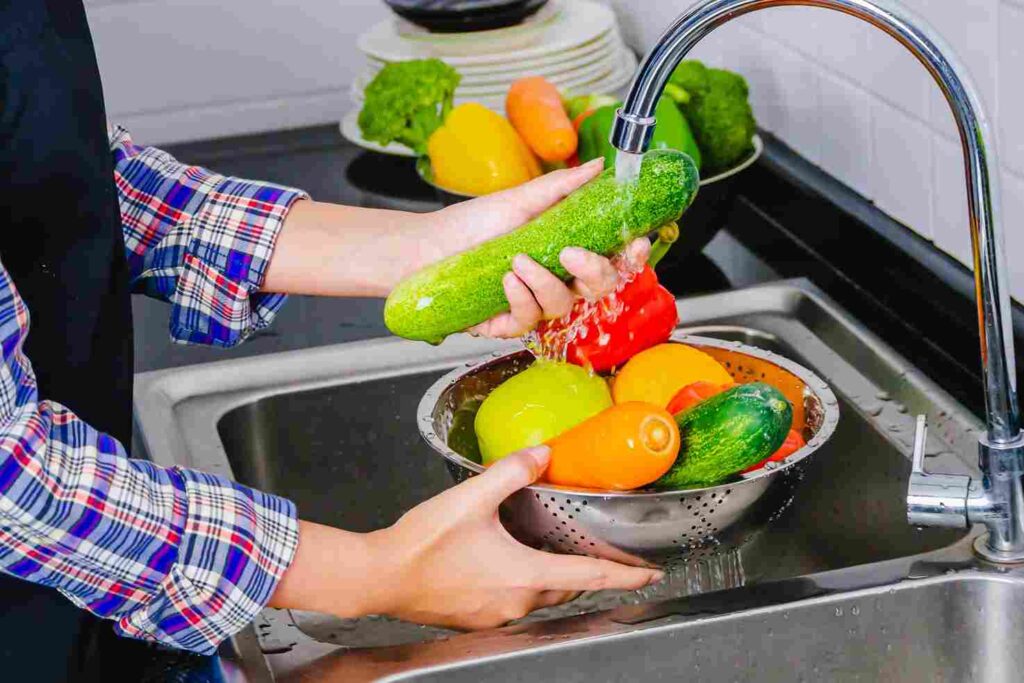
Ensuring Proper Food Handling
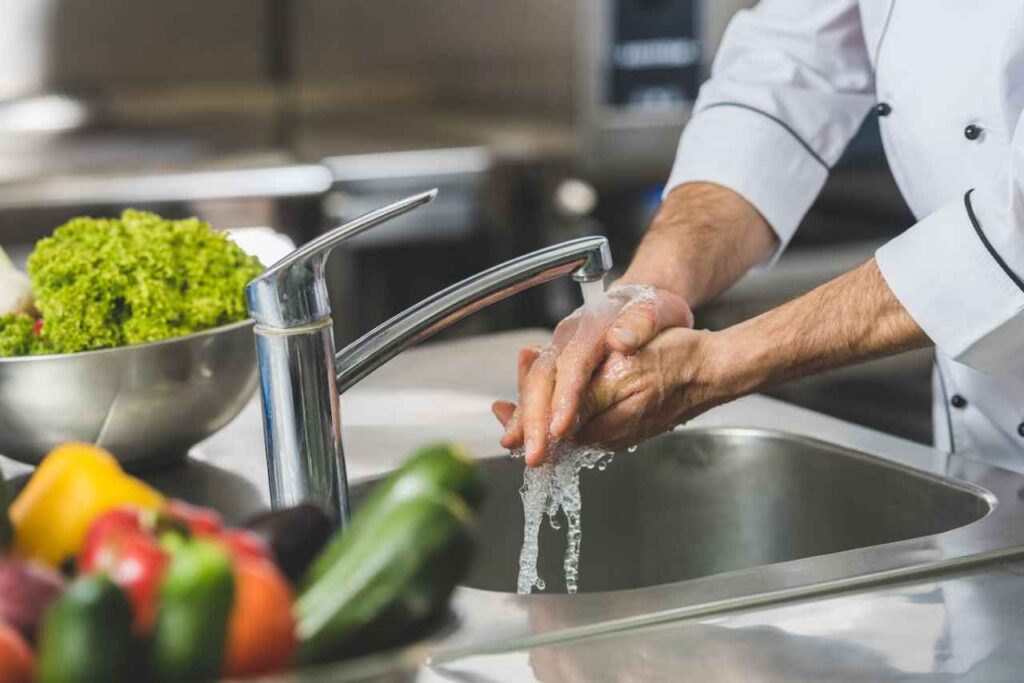
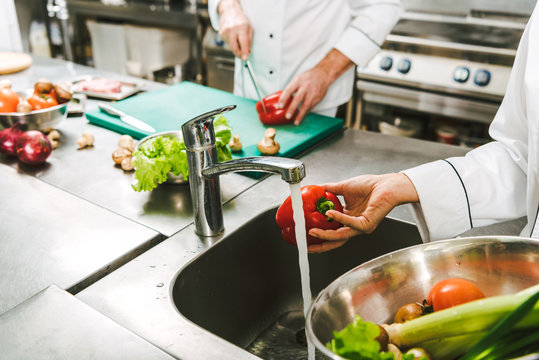
One of the most critical elements of food safety in catering is correct food handling. This involves washing hands before and after food handling, using different utensils for raw and cooked foods, and keeping food at the correct temperature. Food handlers should also wear gloves and hairnets to avoid contamination. By adhering to these best practices, caterers in Mumbai can guarantee that food is safe from preparation to serving.

Maintaining a Clean Cooking Environment
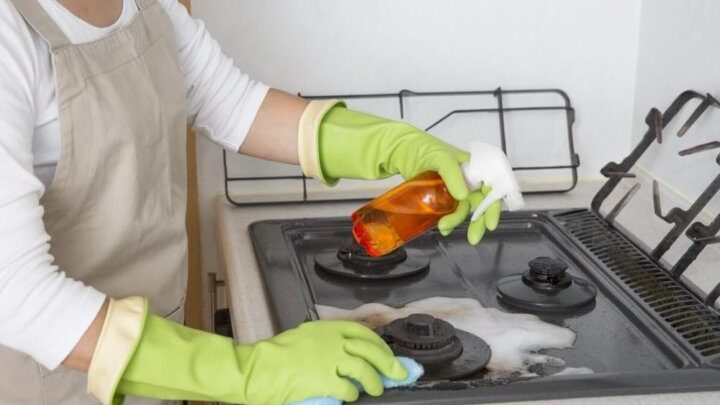
A clean kitchen is the key to proper food hygiene. Surfaces, utensils, and cooking equipment should be cleaned and sanitized on a regular basis. Bacterial growth and cross-contamination can be caused by leftover food, spills, and grease buildup. Regular cleaning routines, thorough cleaning of kitchen spaces, and correct waste disposal ensure a hygienic atmosphere. Food-grade sanitizers must also be used by corporate caterers in Mumbai to clean surfaces and equipment.
Proper Food Storage Techniques
Storage of food is essential to ensure food safety. Perishables need to be stored at the appropriate temperature to avoid spoilage. Freezers and refrigerators must be checked frequently to ensure that they are in good working condition. Dry goods need to be placed in covered containers to shield them from moisture and pests. Moreover, it is also necessary to label foods with dates to track freshness and avoid using outdated ingredients.
Safe Transportation of Food
For event catering companies who transport food to events, the hygiene of transporting food is just as crucial as kitchen hygiene. Food must be transported at the correct temperature and in insulated boxes. Cold food must be chilled, and warm food must be kept warm to delay bacterial growth. Food delivery vans must also regularly be cleaned and sanitized to avoid contamination.
Staff Training and Hygiene Practices
A trained workforce is necessary to ensure food safety. Catering companies, particularly corporate caterers in Mumbai, must arrange periodic training programs on hygiene techniques, food handling, and safety measures. The staff should be aware of the necessity of hand hygiene, wearing protective gear, and preventing cross-contamination. Proper training not only guarantees food safety but also improves customer confidence in the catering service.
Compliance with Food Safety Regulations
Catering operations are subject to local and national food safety legislation. Food outlets are inspected by health authorities to ascertain whether they adhere to hygienic standards. Noncompliance with regulations can lead to fines, closures, or reputational loss. Caterers in Mumbai need to be informed about food safety standards, keep records of hygiene procedures, and have tight quality control practices.
The Role of Personal Hygiene in Food Safety
Personal cleanliness is as vital as kitchen cleanliness. Personal hygiene must be high among food handlers by frequent hand washing, clean and trimmed fingernails, and wearing clean uniforms. Not handling foods when ill is also important in avoiding contamination. Proper personal hygiene ensures that corporate caterers in Mumbai can minimize the spread of bacteria and viruses via food.

Use of High-Quality Ingredients
Food safety begins with the procurement of high-quality ingredients. Food businesses ought to purchase food products from quality suppliers who maintain high levels of hygiene. Fresh fruits and vegetables ought to be washed properly, meat obtained from licensed suppliers, and packaged products inspected for expiration dates and tampering. Procuring high-quality ingredients not only ensures food safety but also elevates the quality of taste and experience for customers.

Proper Waste Management
Proper waste management is crucial to keeping the catering area clean and safe. Food scraps, packaging materials, and other waste items must be disposed of in a way that will not attract pests and cause unpleasant odors. Separate bins for biodegradable and non-biodegradable waste can ensure cleanliness. Schedules for regular disposal of waste and cleaning garbage bins can also help promote hygiene in the catering industry.
The Importance of Pest Control
Pests like rodents, insects, and flies may be the greatest threats to food safety. Caterers in Mumbai need to take stringent measures against pests in the form of frequent inspections, filling cracks and holes, and applying safe means of pest control. Maintaining cleanliness in areas where food is handled and no spills are kept can also avoid the risk of pest attraction. A pest-free kitchen guarantees food free from any kind of contamination and safe to eat.
Implementing Food Safety Audits
Regular food safety audits can assist catering companies in recognizing possible threats and enhancing standards of hygiene. Internal audits carried out by staff members or third-party checks can assist in confirming conformity with food safety legislation. Audits need to cover the verification of food storage, sanitation, personal cleanliness, and cooking methods. The rectification of problems discovered through audits can assist corporate caterers in Mumbai in ensuring high levels of hygiene.

Building Customer Trust
Customer trust and satisfaction are directly influenced by food safety and hygiene. Customers anticipate safe and hygienic food when they employ a catering firm. A food poisoning incident can tarnish a catering firm’s reputation and result in loss of business. By upholding high food safety levels, caterers in Mumbai can establish trust, generate repeat customers, and improve their brand image.
The Role of Technology in Food Safety
Technology advancements have facilitated food safety for catering businesses. Food safety tracking applications, automated cleaning devices, and digital temperature monitoring systems can assist in ensuring food safety compliance with hygiene regulations. Technology may also simplify staff training, making it convenient for training employees on food safety guidelines.
Conclusion
The importance of hygiene and food safety in catering goes beyond regulations—it is about customer satisfaction and business longevity. By ensuring that all food is prepared, stored, and served in a sanitary environment, caterers can prevent health hazards and build a loyal client base. A commitment to hygiene demonstrates professionalism and care in the food service industry. Satish caterers focus on hygiene not only safeguard their clients but also establish a good reputation in the market.